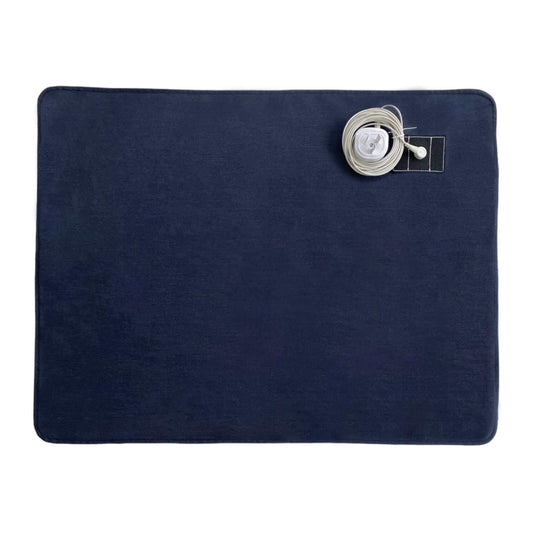
How To Wash A Grounding Sheet

Care for your grounding sheet the right way so it keeps delivering deeper sleep, less pain, and long‑term performance.

90 day trial grounding mat

90-Day Risk-Free Trial

We are so confident you'll love our products that we offer a 90-Day Risk Free Trial & 3 Year Warranty on grounding sheets.

Frequently Asked Questions

Can I wash my grounding sheet in a washing machine safely?

Yes, you can wash your grounding sheet in a washing machine as long as you follow some simple precautions. According to the grounding sheet care guides, you should use a gentle or delicate wash cycle and cold or warm water rather than hot.

Before placing the sheet in the washer, always remove any grounding cords or connectors to prevent tangling or damage. Use a mild detergent that is free from harsh chemicals, optical brighteners, bleach, strong fragrances or essential oils. These substances can degrade the conductive fibres embedded in the sheet.

Avoid mixing the grounding sheet with heavy or rough fabrics such as towels or denim. Wash it only with other delicate items or on its own to minimise friction and strain on the conductive material.
When done, air drying is ideal. If you choose to use a dryer, then select the lowest heat setting and avoid dryer sheets or fabric softeners.

With gentle machine washing done correctly, the sheet can stay clean and maintain its conductive function for long use.

What detergent and washing products should I avoid when cleaning a grounding sheet?

To protect the conductive layer of your grounding sheet, you must avoid detergents and washing products that contain bleach, optical brighteners, whitening agents, heavy fragrances, oils or strong chemicals. These substances may coat or corrode the conductive threads and reduce the grounding performance.

You should also skip fabric softeners, dryer sheets or heavily scented laundry boosters. Fabric softeners and dryer sheets deposit residues that can block conductivity even after washing.

The safest choice is a mild, unscented detergent designed for delicate fabrics or sensitive skin. If needed, a small amount of baking soda can be used as a natural cleaning booster or to help with odours.

For spot-treating stains, use a gentle paste of baking soda and water and scrub softly with a damp cloth rather than relying on harsh stain removers.

By using only gentle, fragrance-free detergents and avoiding harsh additives, you help preserve both the softness and the conductive integrity of the grounding sheet.

How often should I wash my grounding sheet, and how should I dry it?

The frequency of washing depends on how often you use the sheet and how much you sweat at night. Under regular nightly use, washing it every one to two weeks is recommended.

If you tend to sweat more heavily or use lotions or oils on your skin before sleep, then more frequent washing, possibly weekly, may help keep the conductive surface free from residue that can block conductivity.

After washing, air drying is the safest method. Hang the sheet in a well-ventilated area away from direct sunlight or heat sources. This helps protect the conductive fibres from heat damage or warping.

If you must use a tumble dryer, choose the lowest heat or air-dry setting. Avoid dryer sheets altogether, as they leave residues that can degrade conductivity.

Also, avoid high spin speeds or aggressive drying. Removing the sheet while it is still slightly damp and letting it finish drying naturally may extend the lifespan of the conductive elements. With regular, gentle care, your grounding sheet can remain effective for many months of nightly use.

Can washing damage the grounding sheet, and how can I check if it still works?

Yes, improper washing can damage a grounding sheet. High water temperatures, harsh detergents, fabric softeners or strong chemicals can corrode or coat the conductive threads. Rough washing cycles or mixing heavy fabrics can strain or break delicate silver or conductive fibres woven into the sheet.

If that happens, conductivity may decline gradually. To check if the sheet still works, you can use a simple continuity tester or multimeter on the conductive surface with the grounding cord connected to a grounded outlet. A properly functioning sheet should register continuity.

If the tester shows no or poor connection, the sheet may need rewashing to remove residues, or in worse cases, the conductive layer may be permanently damaged. Pay attention to visible signs of wear such as thinning areas, loose threads or discolouration, especially near the grounding cord attachment.

Regular inspection and gentle washing give you the best chance of preserving conductivity. If you detect repeated loss of conductivity despite careful care, it may be time to replace the sheet for safety and effectiveness.

Are there any special precautions or steps I should take before washing a grounding sheet?

Yes, there are some precautions that help protect both the sheet and its conductive function before washing. First, always detach the grounding cord or plug connector from the sheet to avoid tangling, stretching or damage during washing.

Second, check the garment or bedding care label if provided. Some grounding sheets may have specific manufacturer recommendations that take priority. If there is a recommended washing temperature or cycle, follow those instructions.

Third, wash the sheet on its own or only with other delicate items. Avoid mixing with heavy or abrasive fabrics that might snag or rub against the conductive fibres.

Finally, keep washing loads light. Overloading the washing machine may cause excessive friction or stress on the fabric. Use a gentle or delicate cycle with mild detergent and avoid bleach, fabric softener or dryer sheets. Finish by air drying or tumble drying on low heat if absolutely necessary.

Taking these simple steps before washing helps safeguard conductivity and ensures the grounding sheet remains a reliable part of your wellbeing routine.

See all FAQs

For more information, visit our FAQ page: https://premiumgrounding.au/a/faq